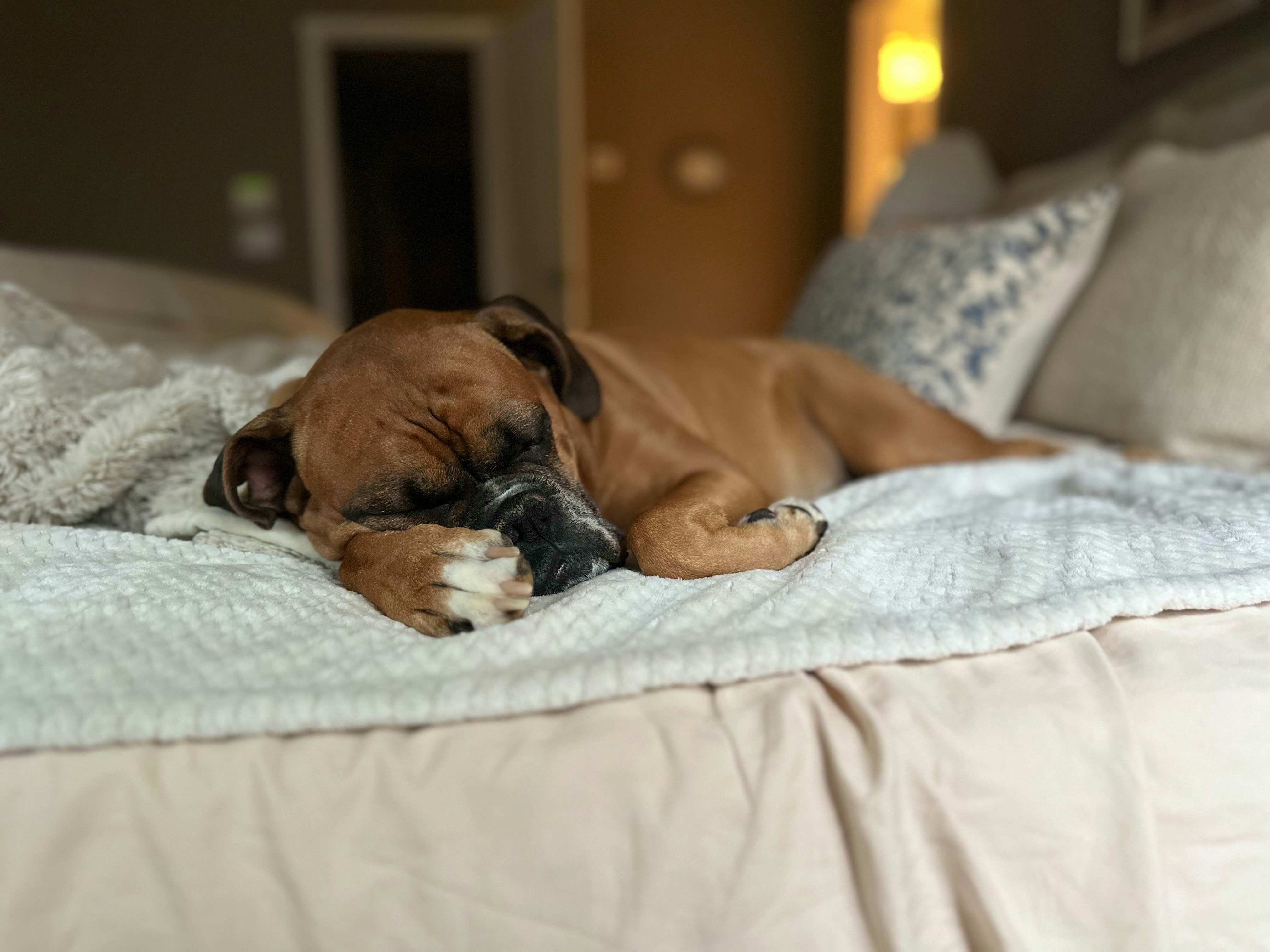
Dogs give us years of loyalty and laughter. As they grow older, their needs change, and caring for them becomes about comfort and support. Senior dog care focuses on keeping them happy, mobile, and pain-free at home. At Sunset Vet Care, we believe every dog deserves dignity and warmth through all stages of life. This guide shares vet-approved senior dog care tips on diet, mobility, comfort, and emotional wellbeing to help your companion age with ease.
When is a dog considered senior?
Most dogs reach their senior years between 7 and 10 years old. Larger breeds age faster, while smaller dogs stay spry for longer. Senior care means shifting focus from adventure to wellbeing; keeping weight stable, detecting early health changes, and adapting the home to support comfort.
Recognising signs of ageing in dogs
Ageing shows in both body and behaviour. Early attention to changes helps maintain quality of life.
Common physical signs
- Moving slower or showing stiffness
- Muscle loss or weaker back legs
- Lower stamina on walks
Behavioural changes
- Sleeping more
- Less interest in play
- Occasional confusion or anxiety
Health red flags
- Struggling with stairs or getting up
- Changes in appetite or thirst
- Altered toileting habits
- Bad breath or dental pain
If you notice these signs, book a vet visit. Early care can slow decline and ease discomfort.
Nutrition and weight management for senior dogs
Food plays a big role in keeping older dogs strong and healthy.
A balanced senior diet often includes:
- High-quality protein for muscle maintenance
- Fewer calories to prevent obesity
- Joint-supporting nutrients and omega fatty acids
- Formulas gentle on kidneys and liver
- Formulas specifically designed to support brain function (eg Hill's b/d, Proplan Neurocare)
Keep your dog lean to protect joints and heart. Some seniors do better with smaller, more frequent meals. Speak with your vet before changing diet or adding supplements to ensure the plan suits your dog’s health.
Exercise, mobility, and home comfort
Gentle activity keeps joints flexible and spirits high.
Good low-impact exercises
- Short, relaxed walks
- Swimming or hydrotherapy
- Calm play without jumping
Simple home adjustments
- Soft, supportive beds
- Rugs to prevent slipping
- Ramps or steps to reach favourite spots
- Raised bowls for easier eating
Small changes help senior dogs feel safe and comfortable in their space.
Preventive care and senior vet check-ups
Health shifts more quickly with age. Most vets recommend six-monthly check-ups to spot issues early.
During these visits, your vet will assess:
- Arthritis and movement
- Teeth and gums
- Heart, kidney, and liver health
- Weight and nutrition
- Vision and hearing
Screening tests such as blood and urine checks help reveal hidden problems. Regular care and early intervention supports longer, more comfortable lives.
Pain management and therapies for older dogs
Dogs often hide pain well. Watch for signs such as reluctance to move, restlessness, or irritability.
Relief options include:
- Prescription pain medication
- Joint supplements
- Physiotherapy or hydrotherapy
- Massage or acupuncture
Good pain control preserves dignity and keeps senior dogs enjoying daily life.
Emotional wellbeing and quality of life
Older dogs thrive with gentle structure and reassurance. Keep a steady routine, allow quiet time, and use puzzle toys or scent games to engage their minds.
Offer cosy, quiet spaces for rest. If you’re unsure about your dog’s comfort, a quality of life assessment helps families make kind, informed choices.
Preparing for life’s final chapter
Thinking ahead can make the hardest time a peaceful one.
When to reassess comfort
- Ongoing pain despite medication
- Major weight loss
- Loss of interest in favourite activities
- Severe mobility struggles
When these signs appear, talk with your vet about next steps. In home dog euthanasia can provide a calm, familiar setting when it’s time to say goodbye.
Frequently Asked Questions
Q: How often should I take my senior dog to the vet?
Most older dogs benefit from a full vet check every six months. Regular visits help detect early signs of arthritis, dental issues, or organ changes before they cause discomfort.
Q: What is the best food for senior dogs?
Choose a senior-specific formula with moderate calories, quality protein, and nutrients that support joint and organ health. Your vet can guide you on options suited to your dog’s size, breed, and health conditions.
Q: How can I tell if my senior dog is in pain?
Look for subtle changes such as stiffness, slowing down on walks, restlessness, or a drop in appetite. Some dogs become more withdrawn or grumpy when sore. If you’re unsure, ask your vet for a pain assessment.
Q: How much exercise does an older dog need?
Daily gentle activity helps maintain mobility and mood; short, slow walks, swimming, or calm play keep joints flexible without strain. Avoid overexertion and monitor how your dog recovers after activity.
Q: When should I talk to my vet about end-of-life care?
If your dog’s comfort or joy in daily life begins to fade, a quality of life assessment can help you understand next steps. Many families find this guidance reassuring when making hard choices.