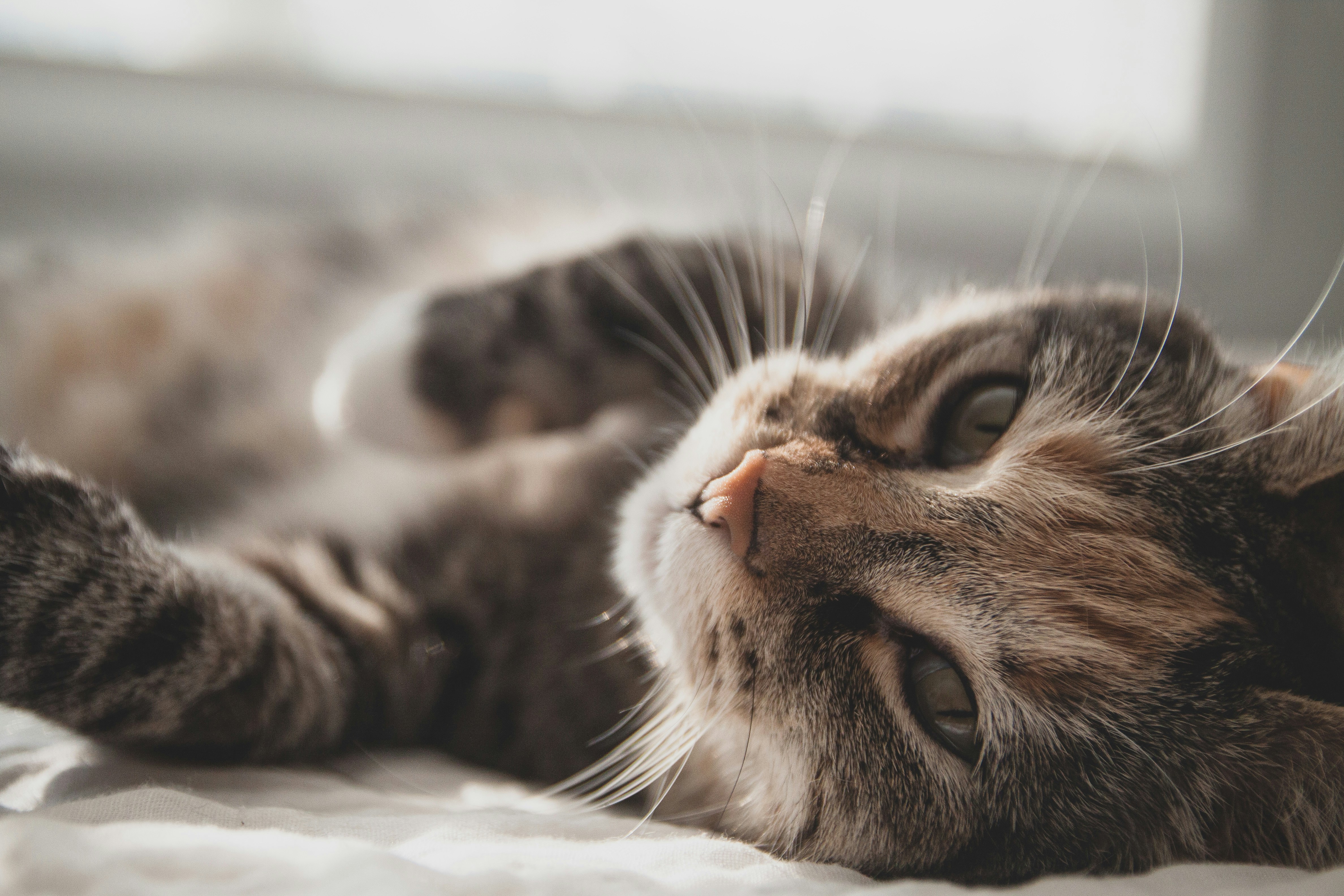
Cats are remarkably skilled at hiding pain. As a result, many live with chronic discomfort for months or even years before the signs become obvious.
Recognising pain early and seeking appropriate treatment can dramatically improve your cat's comfort, mobility, and overall quality of life.
How Do Cats Show Pain?
Unlike dogs, cats rarely vocalise or seek attention when they are uncomfortable. Instead, pain often appears through subtle changes in behaviour.
Common signs of pain in cats include:
- Sleeping more than usual
- Reduced activity levels
- Reluctance to jump onto furniture
- Difficulty using stairs
- Matted or unkempt fur
- Reduced appetite
- Hiding more frequently
- Increased irritability
- Avoiding interaction
- Changes in toileting habits or inappropriate urination
Because these changes often develop gradually, families may mistake them for normal ageing. Our Senior Cat Care guide can help you understand the difference between age-related changes and signs that warrant veterinary attention.
Common Causes of Chronic Pain in Cats
Several conditions can cause ongoing discomfort in cats, many of which are more common than owners realise.
Arthritis
Arthritis is extremely common in older cats. Unlike dogs, affected cats often show only subtle signs, such as hesitating before jumping, spending more time resting, or developing a scruffy coat because grooming has become uncomfortable.
Dental Disease
Dental pain is one of the most common causes of chronic discomfort in cats. Conditions such as tooth resorption, gum disease, and oral infections can significantly affect appetite and quality of life.
Cancer
Certain cancers can cause substantial pain, particularly those affecting bones, nerves, or internal organs.
Chronic Medical Conditions
Conditions such as pancreatitis, urinary tract disease, and some gastrointestinal disorders may also cause persistent pain.
Why Pain Management Matters
Chronic pain affects every aspect of a cat's wellbeing. Untreated discomfort can lead to:
- Reduced mobility
- Decreased appetite
- Weight loss
- Poor grooming
- Increased stress and anxiety
- Reduced social interaction
- Changes in sleep patterns
Effective pain management can help many cats return to normal activities and maintain a good quality of life.
Treatment Options for Pain Management in Cats
Pain management is tailored to each individual cat and their underlying condition.
Prescription Pain Relief
Veterinarians may prescribe medications to manage acute or chronic pain. Treatment plans are carefully selected based on a cat's age, medical history, and any concurrent illnesses.
Arthritis Management
Managing arthritis often involves a combination of pain relief, weight control, environmental modifications, and newer therapies designed specifically to target arthritis-related pain.
Weight Management
Maintaining a healthy body weight reduces stress on painful joints and can improve mobility in arthritic cats.
Environmental Adaptations
Small changes around the home can make a significant difference to a cat living with pain. For a full guide, see our article on Comfort Care for Older Cats.
Helpful adaptations include:
- Providing steps or ramps to favourite resting places
- Using low-sided litter trays
- Offering soft, supportive bedding
- Ensuring food, water, and litter trays are easy to access
- Reducing the need for jumping
- Using safe heat pads to help relieve joint stiffness
Dental Care
Treating painful dental disease can significantly improve comfort, appetite, and overall wellbeing.
Monitoring Quality of Life
Cats often continue their daily routines despite considerable discomfort, making regular quality-of-life assessments especially important.
Ask yourself:
- Is my cat still enjoying normal activities?
- Are they eating and drinking well?
- Can they comfortably access food, water, and their litter tray?
- Are they grooming normally?
- Do they appear relaxed when resting?
- Have there been noticeable changes in behaviour or interaction?
Tracking these observations over time can help identify when pain may be worsening and when additional support is needed.
Supporting Comfort at Every Stage of Life
Pain is never a normal part of ageing, even though many age-related conditions can cause discomfort.
Recognising pain early, seeking veterinary support, and regularly assessing quality of life can help ensure your cat remains comfortable and enjoys the best possible quality of life throughout their senior years.
At Sunset Vet Care, we are committed to supporting cats and their families with compassionate guidance, quality-of-life assessments, and end-of-life care when needed.
Frequently Asked Questions
Below are answers to some of the questions our veterinary team hears most often from families caring for a cat with chronic pain.
Q. How do I know if my cat is in pain?
Cats are experts at hiding discomfort. Signs of pain are often subtle and may include sleeping more, reduced grooming, hiding, reluctance to jump, changes in appetite, and increased irritability. If your cat's behaviour or daily routine has changed, pain may be contributing.
Q. Do cats hide pain?
Yes. Cats instinctively conceal signs of pain and illness, which means discomfort may be present long before it becomes obvious. Regular veterinary examinations and monitoring changes in behaviour can help identify pain earlier.
Q. Can I give my cat human pain medication?
No. Human pain medications should never be given to cats without veterinary advice. Paracetamol (acetaminophen) is highly toxic and can be fatal, while many other medications that are safe for people can cause serious harm in cats. Always consult your veterinarian before giving any medication.
Q. What pain management options are available for cats?
Treatment depends on the underlying cause and your cat's overall health. Options may include prescription pain relief, newer therapies for arthritis, weight management, joint supplements, physiotherapy, and simple modifications around the home to improve comfort and mobility.
Q. Is arthritis common in older cats?
Yes. Arthritis is extremely common in senior cats, although many show only subtle signs. Hesitating before jumping, spending more time sleeping, difficulty grooming, or reduced activity can all indicate joint pain. Early diagnosis and treatment can greatly improve comfort and quality of life.
Q. When should I speak to a veterinarian about my cat's pain?
If you notice changes in your cat's behaviour, mobility, appetite, grooming, or interaction with family members, it's worth seeking veterinary advice. Early treatment often improves comfort and can help maintain a good quality of life for longer.